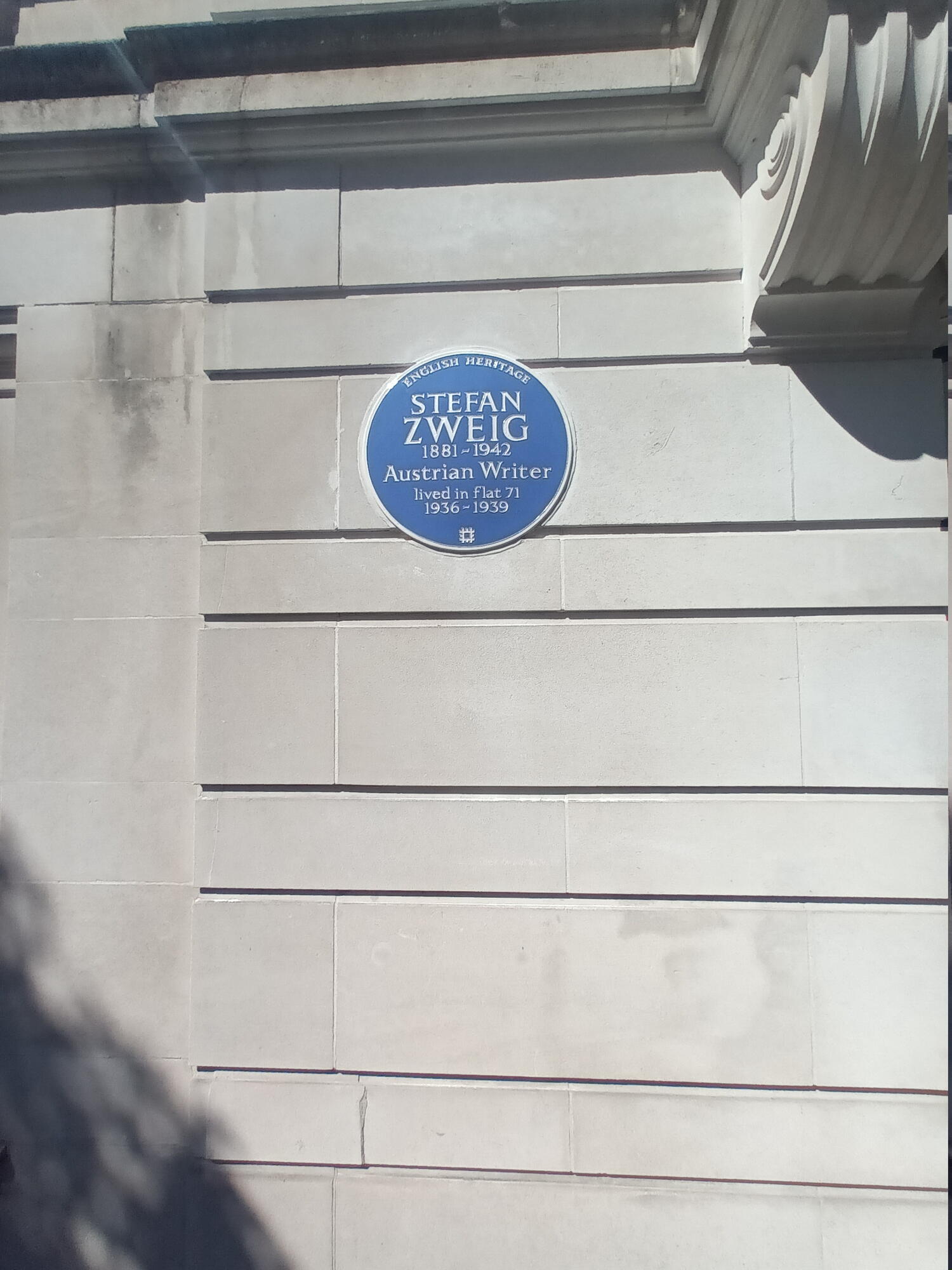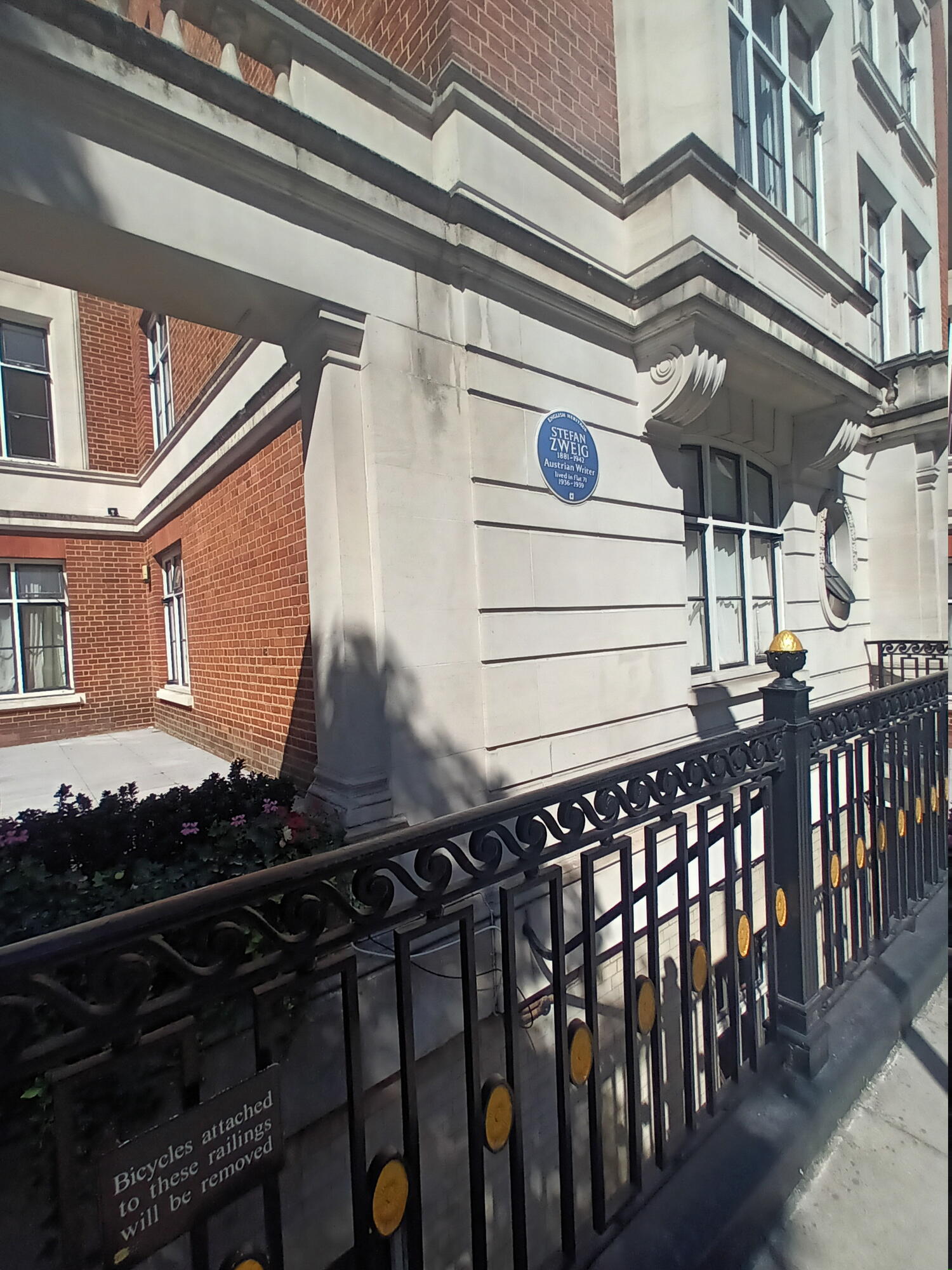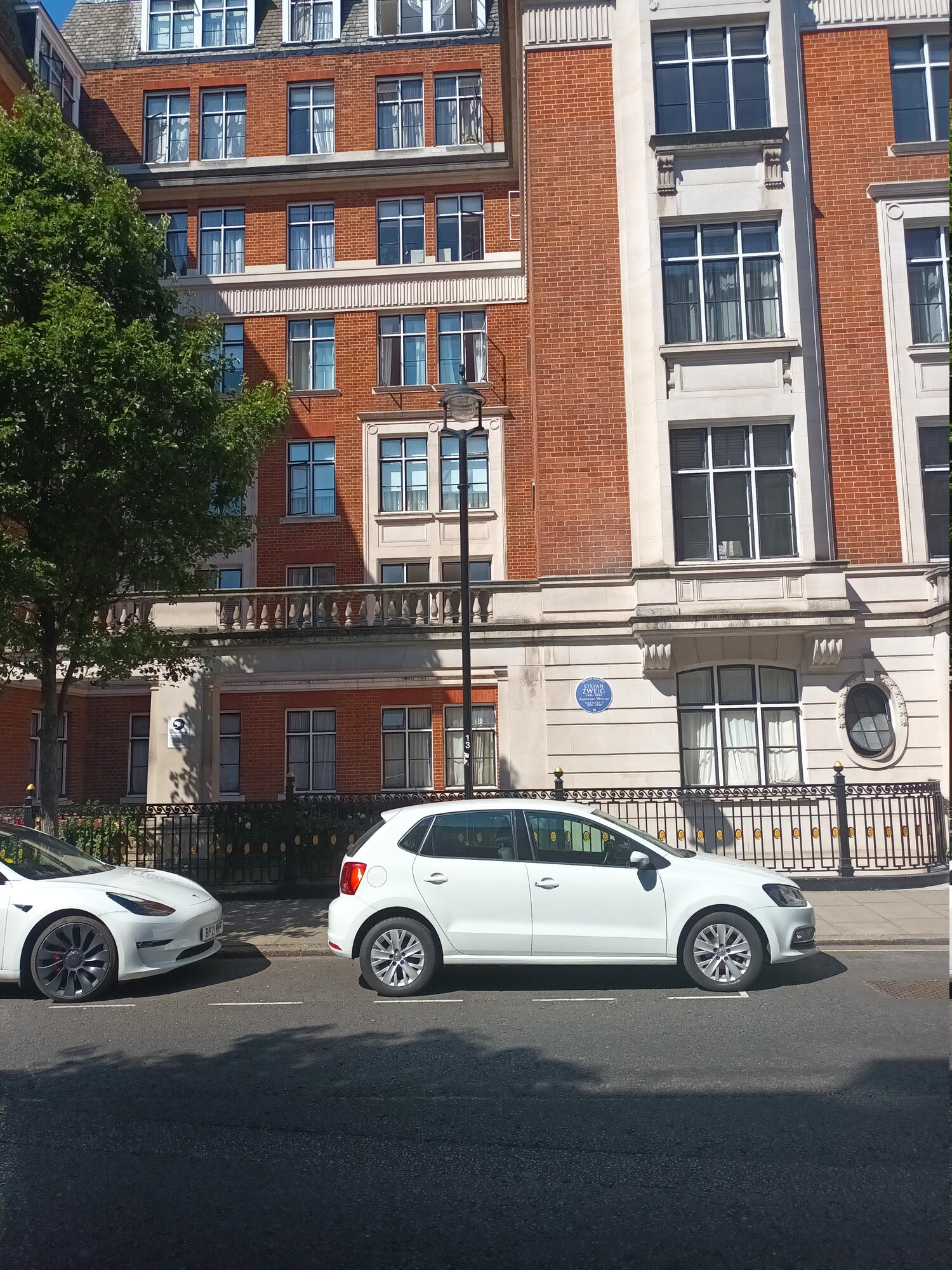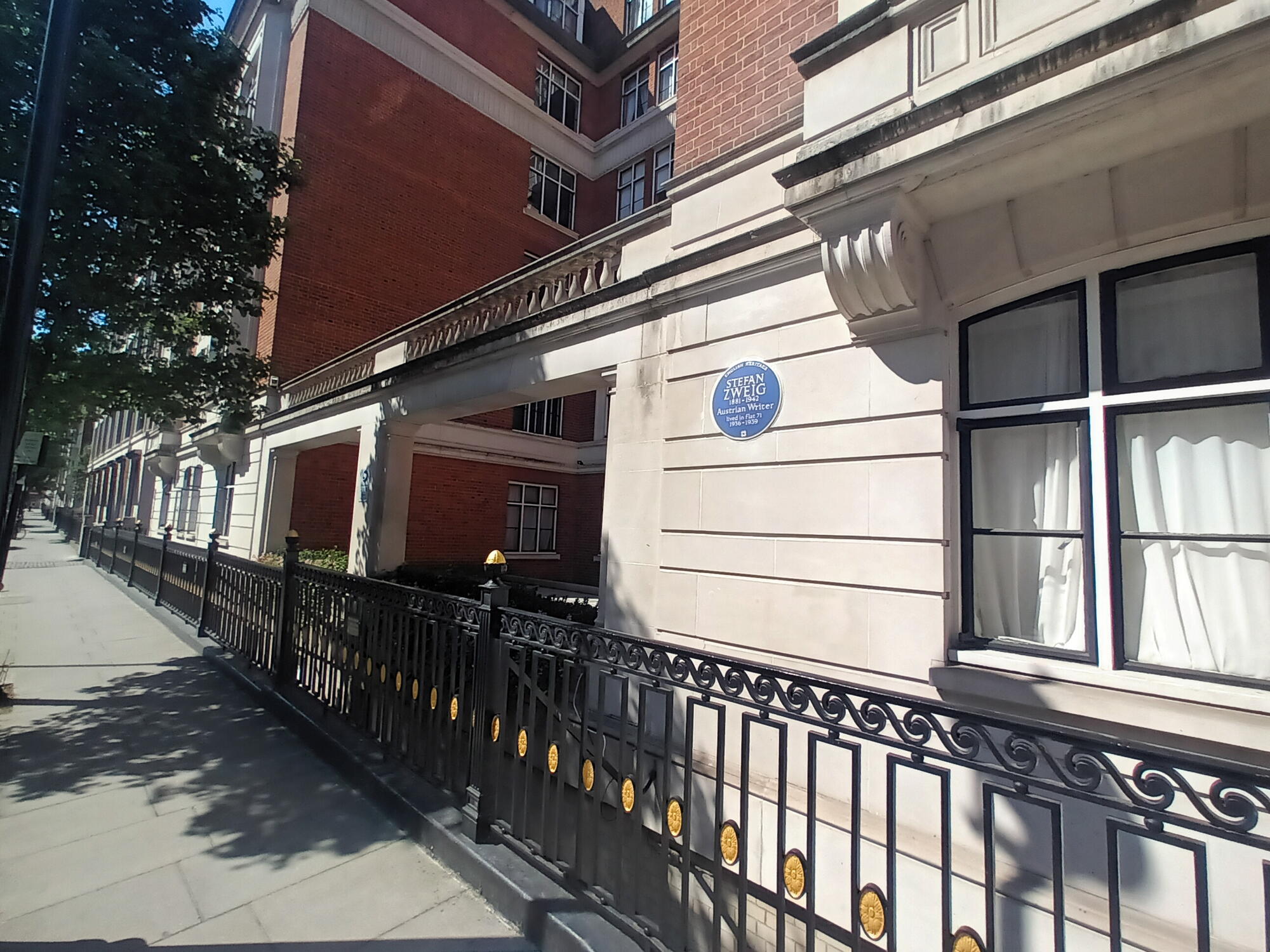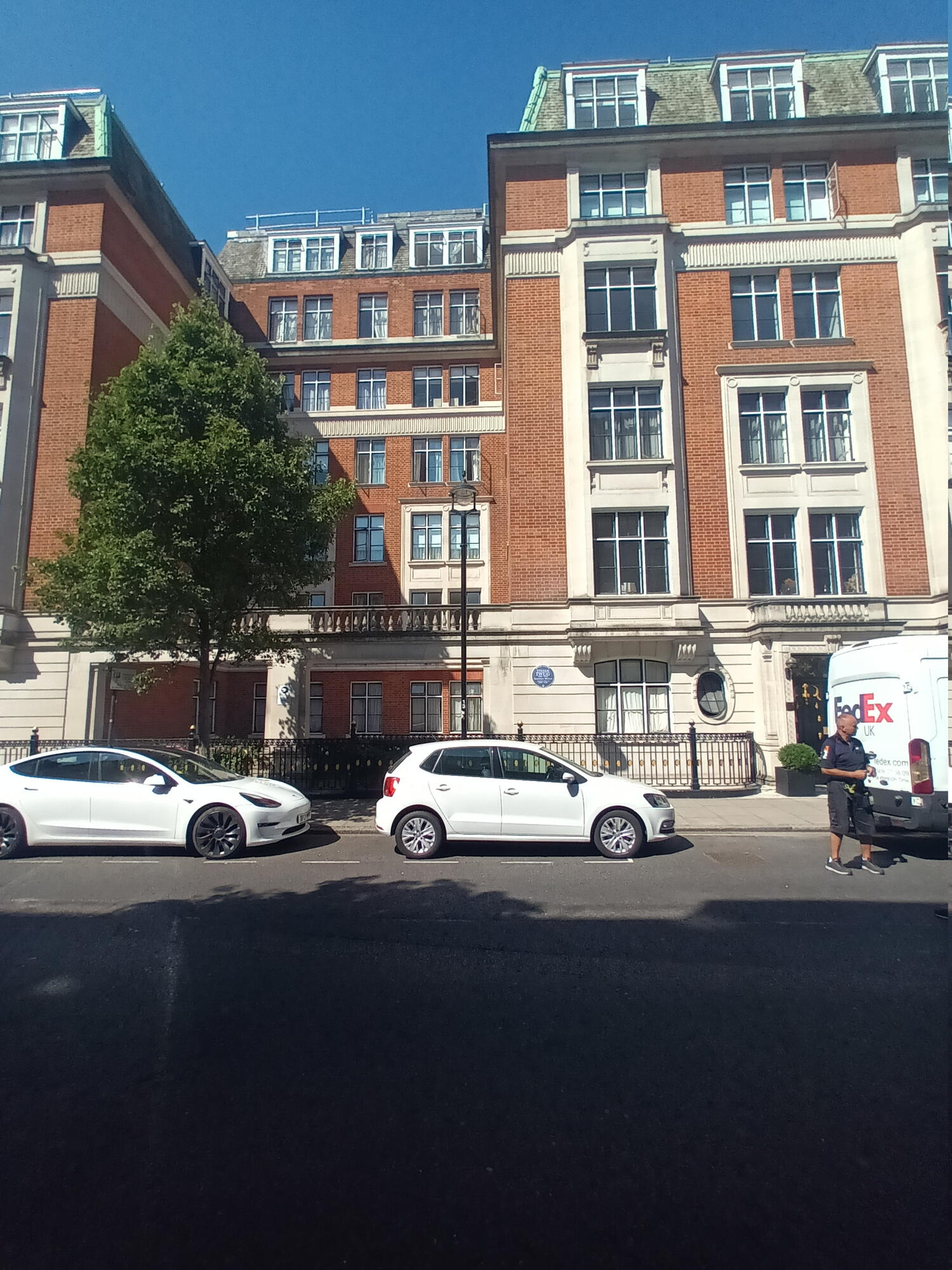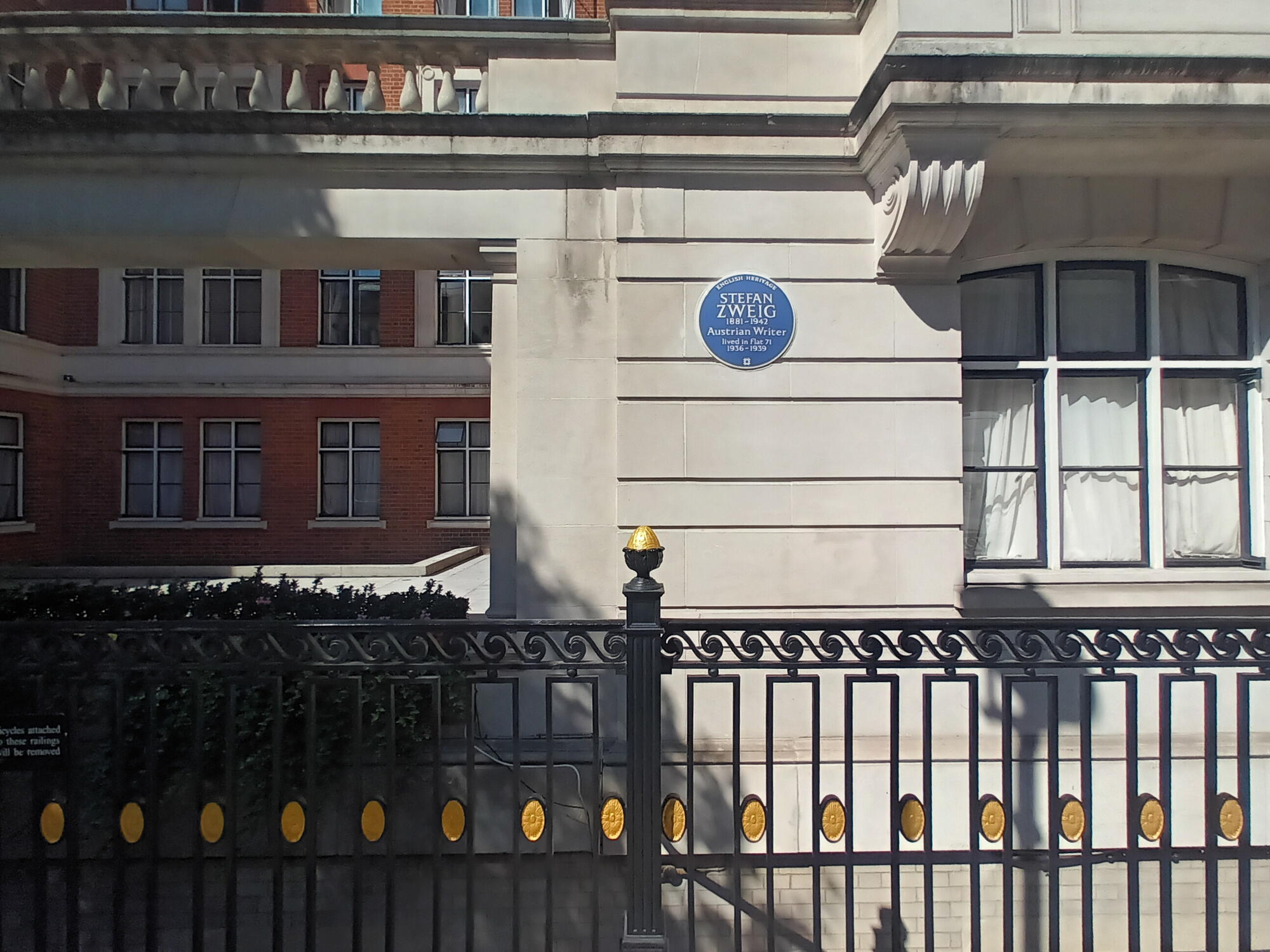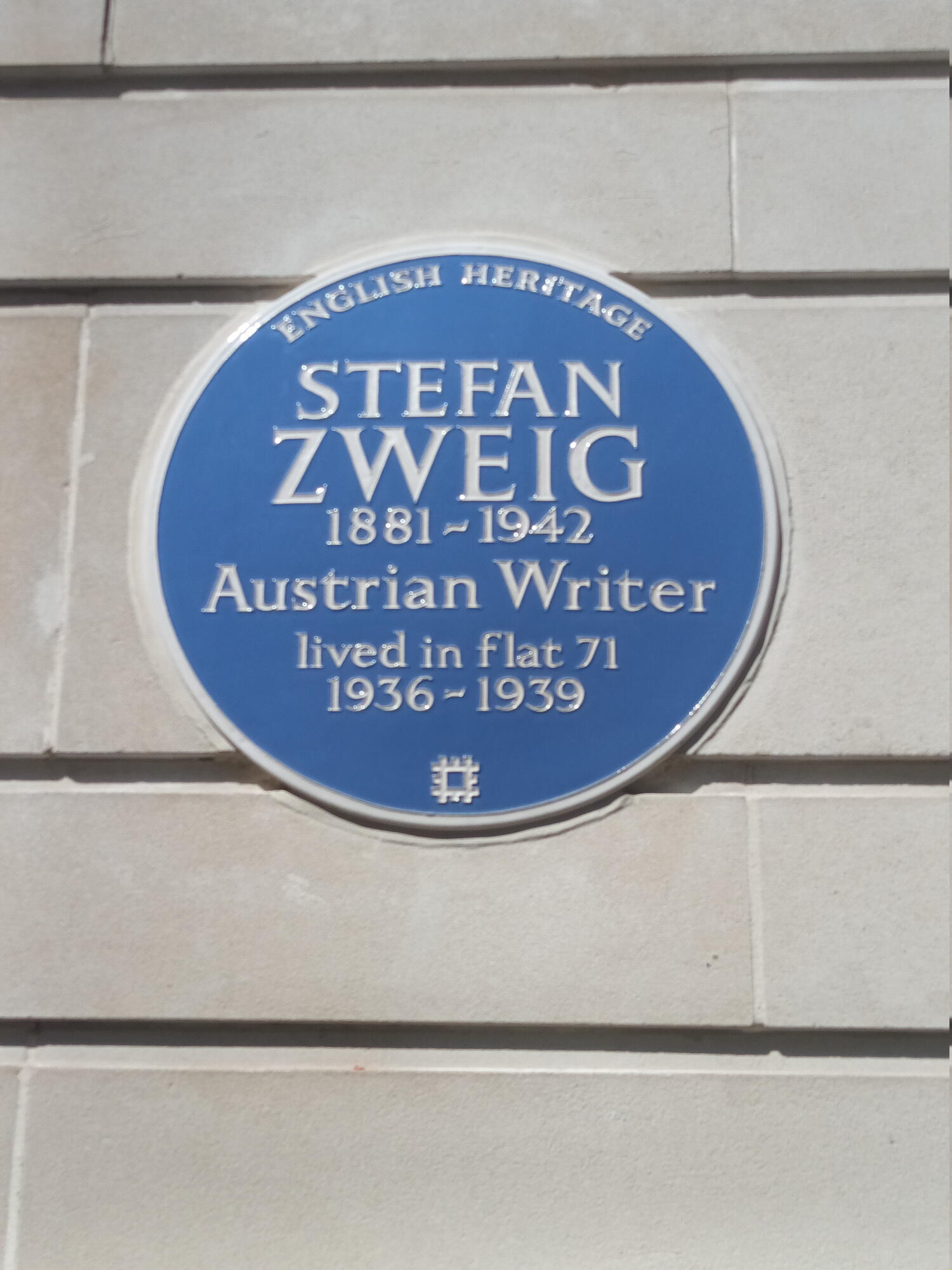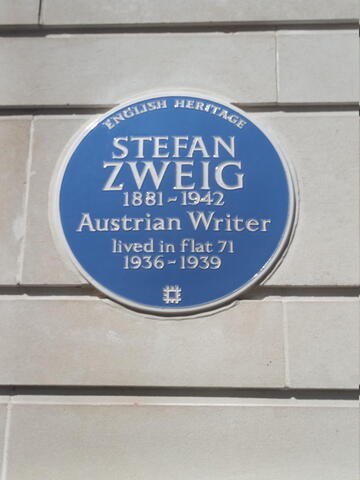
English Heritage has unveiled a new blue plaque at 49 Hallam Street in Marylebone, marking Stefan Zweig’s former London home. The plaque recognises the Austrian Jewish writer’s years in exile in London, where he lived from 1936 to 1939 after fleeing Nazi Austria.
Zweig was one of the most widely read writers of the inter-war years, admired for his novels, biographies and essays, and for the humanist outlook that ran through his work. Donald Prater’s European of Yesterday: A Biography of Stefan Zweig, held in the LBI London library, helps to place that London period in a wider life story shaped by displacement, loss and intellectual independence. Prater describes how Zweig found 49 Hallam Street ‘just being completed’ and how the new study there was arranged as a small replica of his former home, with books, carpet and artworks carefully recreated.
The biography also shows how seriously Zweig took his London years as a time for work, not just refuge. Prater notes that his Hallam Street flat was chosen partly for its closeness to the British Museum Reading Room, and that he continued writing major works there, including Castellio against Calvin and later Beware of Pity. One of the book’s most striking lines comes from Zweig himself: ‘At 55 one must be sparing with one’s time’. Read alongside the new plaque, it feels like a sharp reminder of a writer acutely aware of time, exile and the urgency of work.
The plaque is especially resonant because Zweig’s Hallam Street address appeared in the Nazi regime’s so-called ‘Black Book’. He later left London for the United States and then Brazil, where he and Lotte died in 1942 after he completed The World of Yesterday. The new commemoration brings his story back into view in the city where he rebuilt his life, and where he kept writing through upheaval.