On 15 April 2026, the 125th anniversary of Leo Haas’s birth offers an opportunity to remember an artist whose work became part of the historical record of Nazi persecution. Born in Czechoslovakia in 1901, Haas trained in fine art and later worked as a graphic designer before his life was upended by the rise of Nazism.
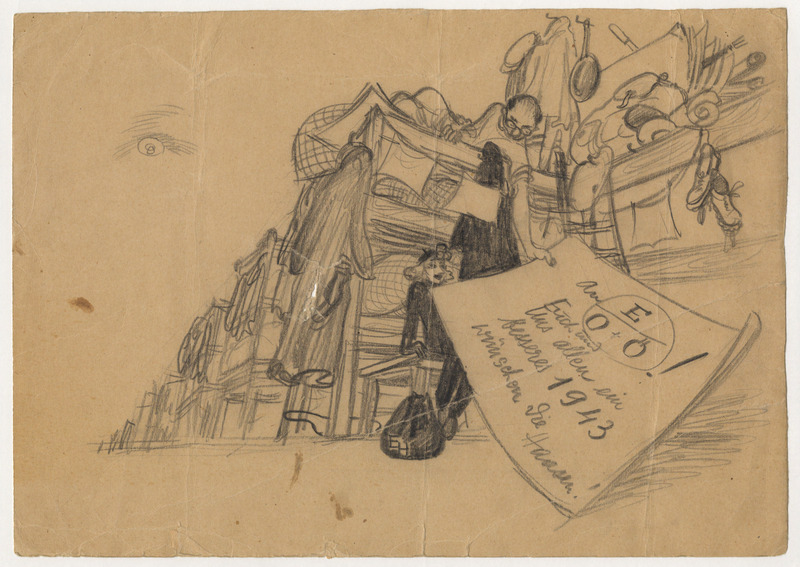
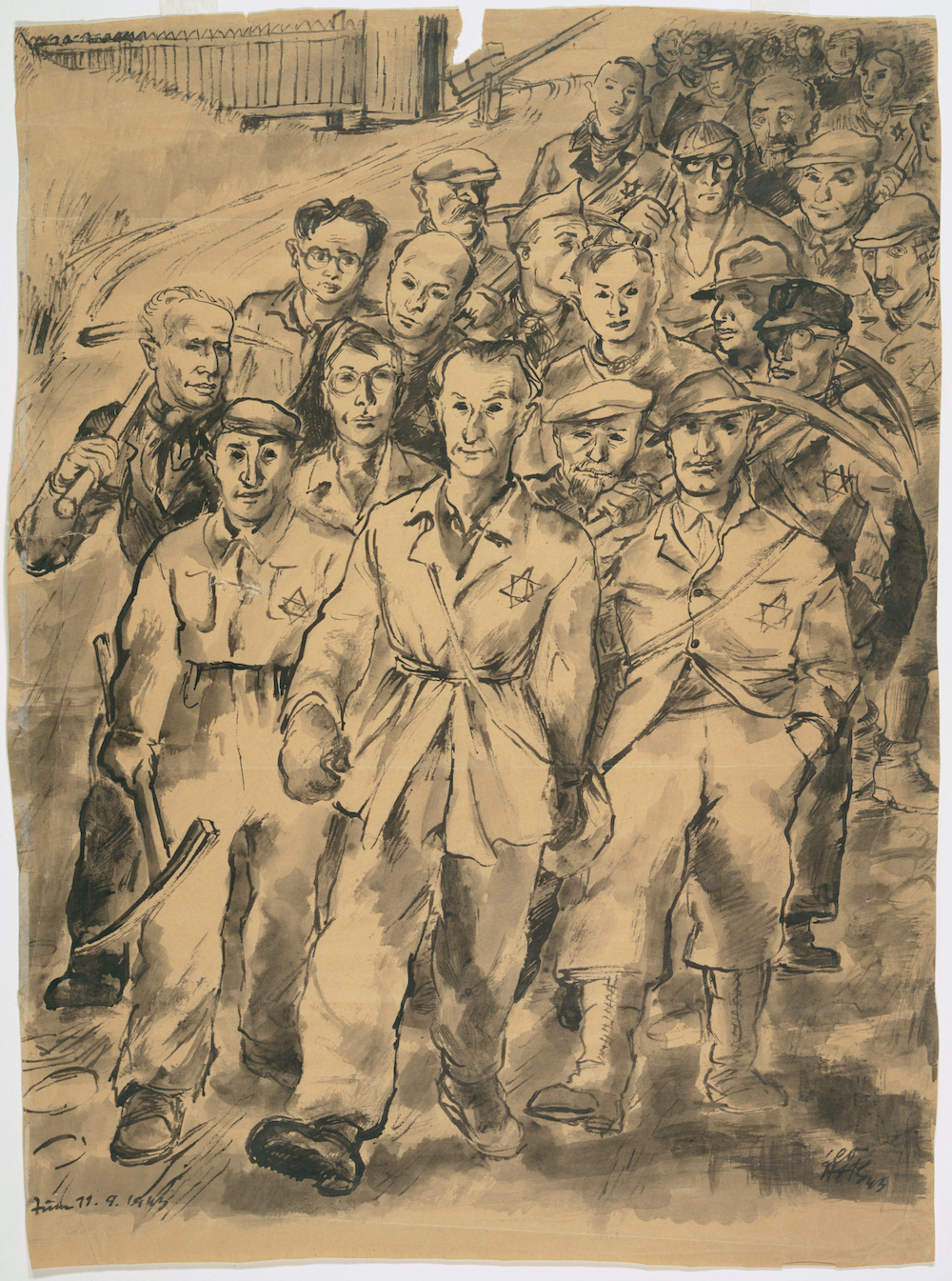
In 1937, the authorities classified his work as ‘degenerate art’, part of a wider campaign against modern and Jewish artists under the regime. During the war, Haas was deported to the Theresienstadt ghetto in 1942, where he was assigned to the technical-graphic department. That official role gave him access to materials, but it also placed him in a position of great danger when he began to make drawings in secret.
Those works are now among the most important visual testimonies to daily life under Nazi rule. Rather than offering heroic scenes or grand statements, Haas recorded labour, deprivation and the pressure of life inside the ghetto with close attention to ordinary detail. The force of the work lies partly in that directness: these are images made by someone who was not looking back from safety, but drawing within the system that was persecuting him.
Haas survived Theresienstadt, Auschwitz and Sachsenhausen, and his drawings remain a record of both artistic skill and human endurance. Seen today, they speak not only to the history of the Holocaust, but also to the role of art as witness. They show how an artist could document what official narratives tried to conceal, and why such work still matters 125 years after his birth.