LBI London recently sat down with Dr Monja Stahlberger, who has just completed a Postdoctoral Fellowship at the Institute, where her research explored how German-Jewish exile families transmitted cultural memory across generations and national borders. Drawing on personal archives, diaries, and letters held in collections from London to Vancouver, Stahlberger’s work illuminates the deeply human dimensions of forced migration that official records so often miss. We spoke about what ego-documents reveal that history books cannot, how Kindertransport children navigated identity and belonging in real time, and why these stories from the 1930s and 40s still speak directly to how we think about refuge and migration today.
You recently completed a Postdoctoral Fellowship with us here at the Leo Baeck Institute London. Could you tell us a bit about how your research into German-Jewish exile families and the transmission of cultural memory evolved during your time at the Institute?

My post at the Leo Baeck Institute London helped me to deepen my understanding of how exile is lived, remembered, and inherited across generations in English speaking countries. This particular aspect caught my interest during my PhD research, and I knew I wanted to look into the way memory works and travels in more detail. When I began the fellowship, I was primarily interested in how individual German‑Jewish families narrated their displacement through personal archives and stories. However, when I actually went into the archives, the project expanded into a broader enquiry into how (cultural) memory travels, not only within families, but across archives, community organisations, and national borders. I discovered that identity and memory transmission is a far more interconnected and transnational process in these families and communities than I initially anticipated when I set out to do my research.
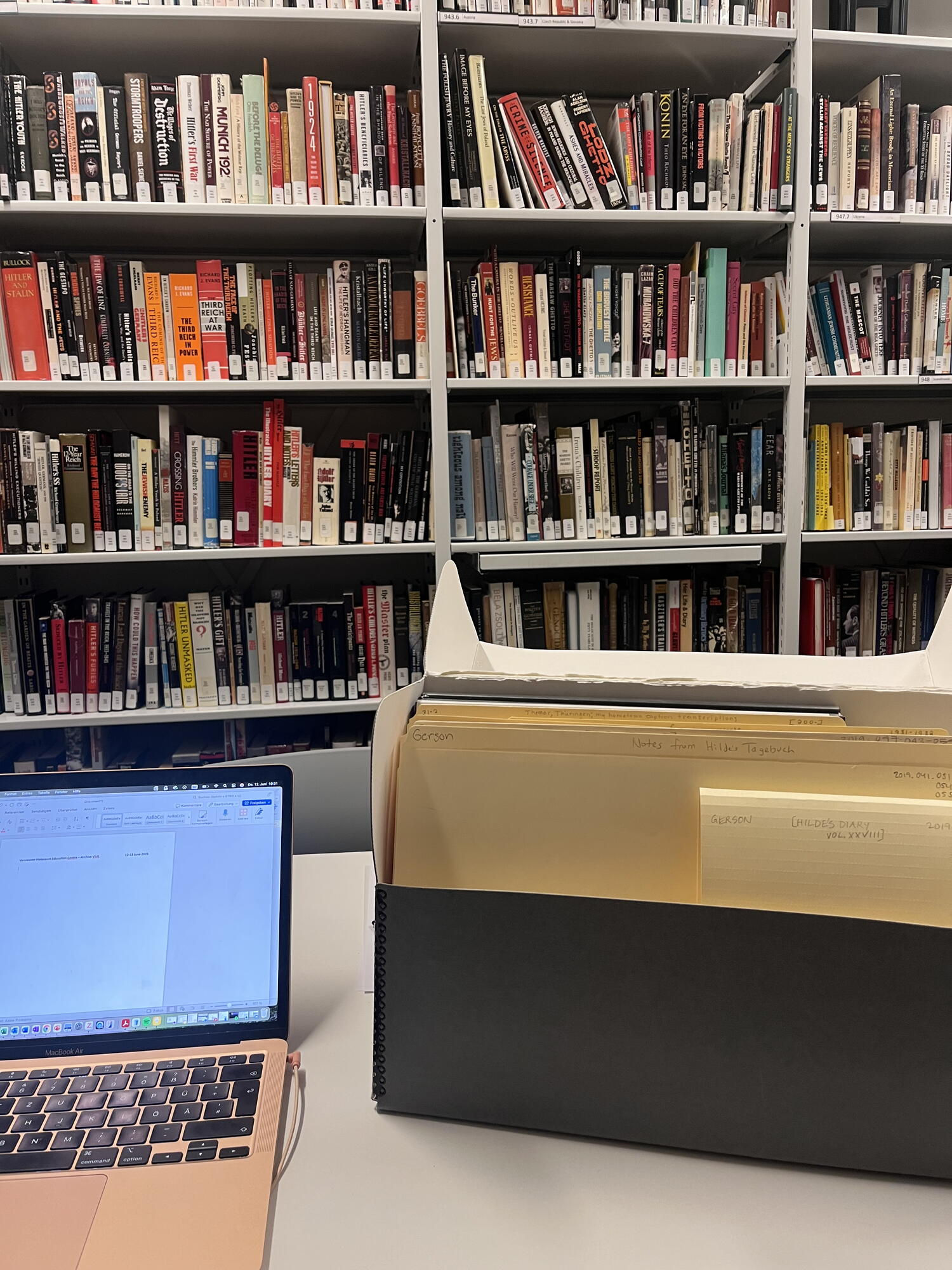
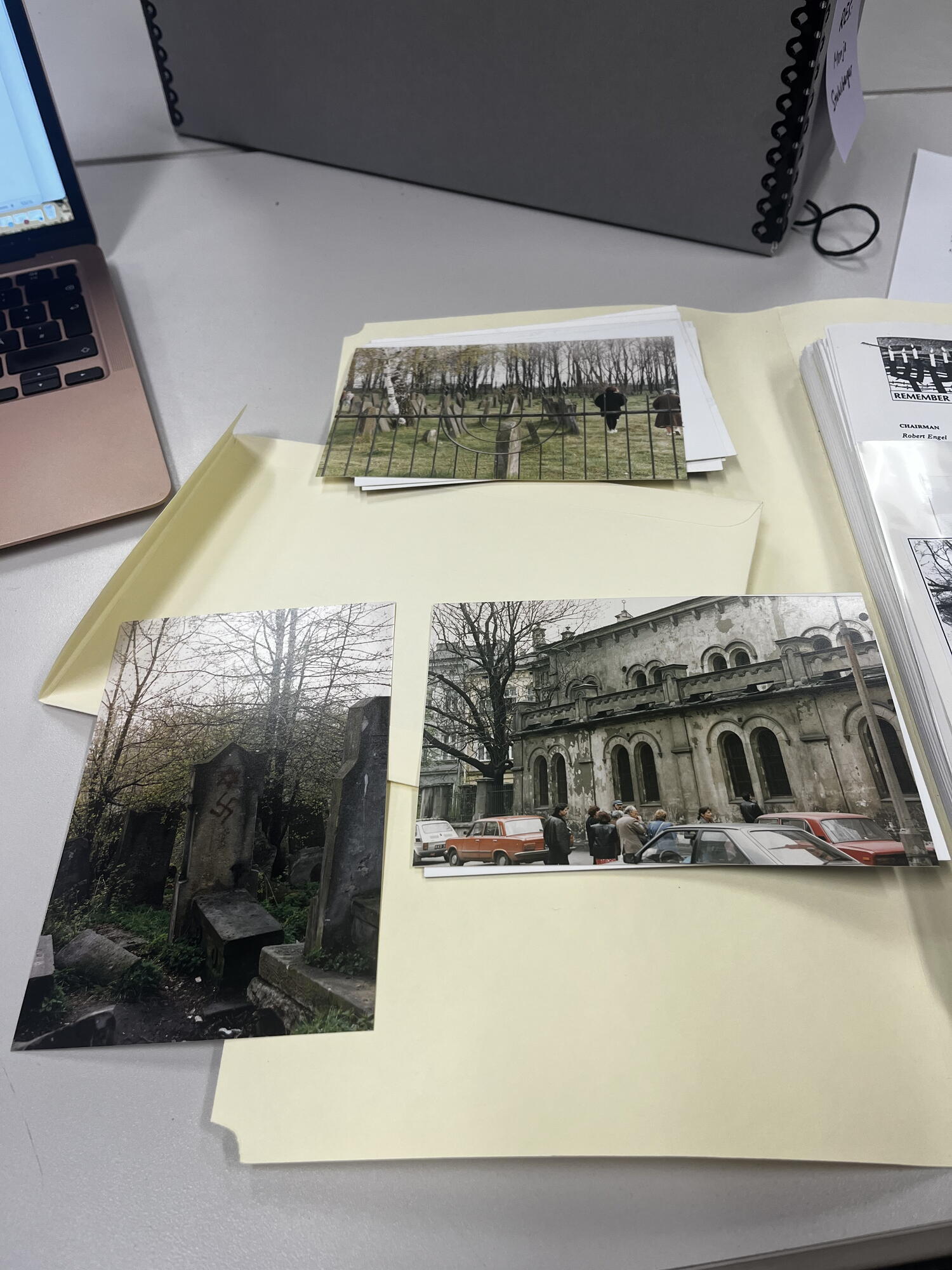
Working across multiple archives in London, Toronto, New York, Washington, and Vancouver allowed me to trace these movements of memory in very concrete ways. They are transmitted through a family heirloom, in an unpublished memoir or even present in committee minutes from community groups. This multi‑archive approach allows me to present memory transmission as a collaborative process shaped by families, institutions, and the historical circumstances that created them.
Much of your work focuses on what academics call ‘ego-documents’, such as personal diaries, letters, and memoirs. You are currently organising a conference titled ‘Crossing Borders: Transnational Perspectives on Life Writing and Ego-documents’. For those unfamiliar with the term, how do these everyday writings give us a different perspective on the lived experiences of refugees compared to official historical records, and what do you hope the conference will uncover?
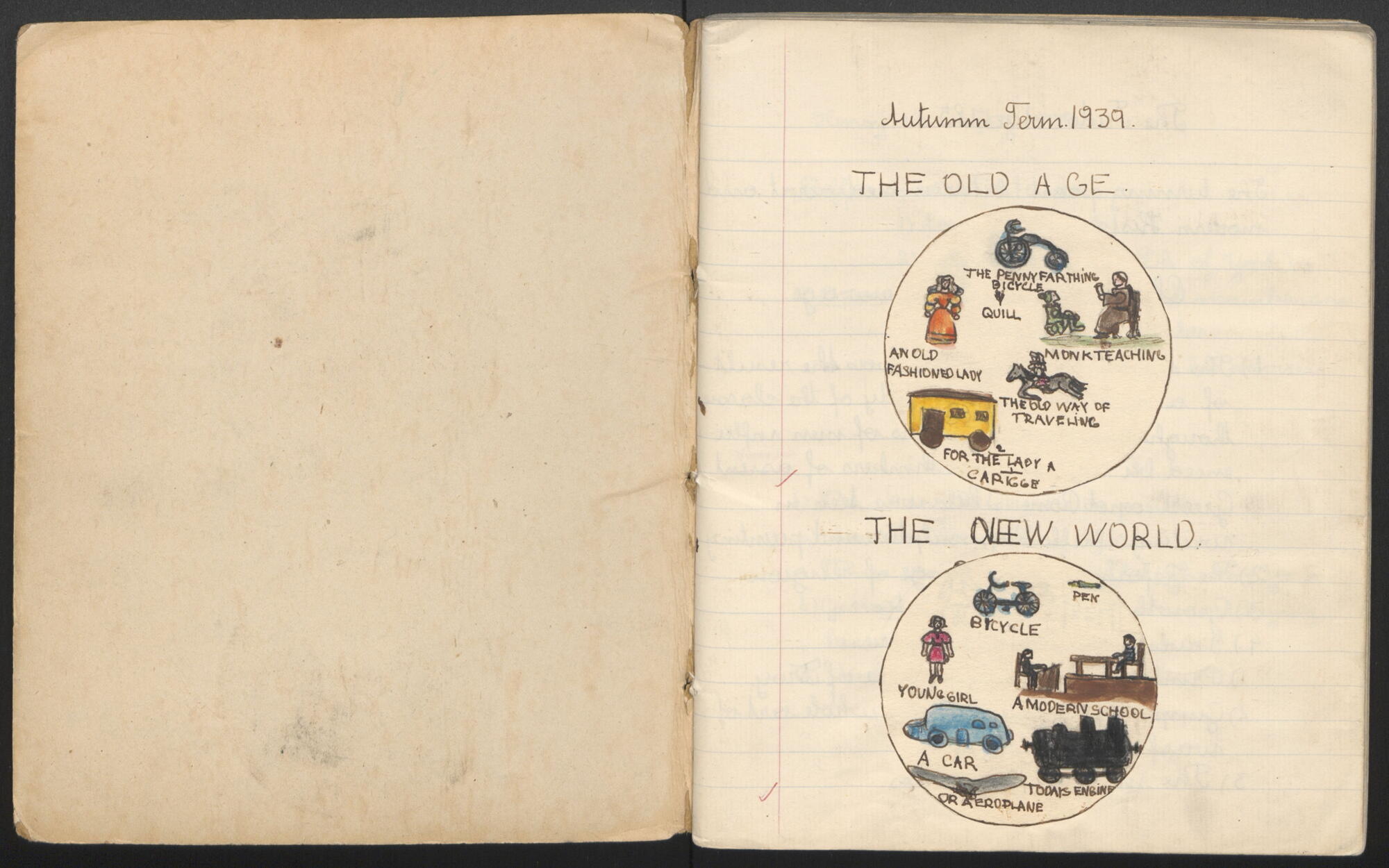
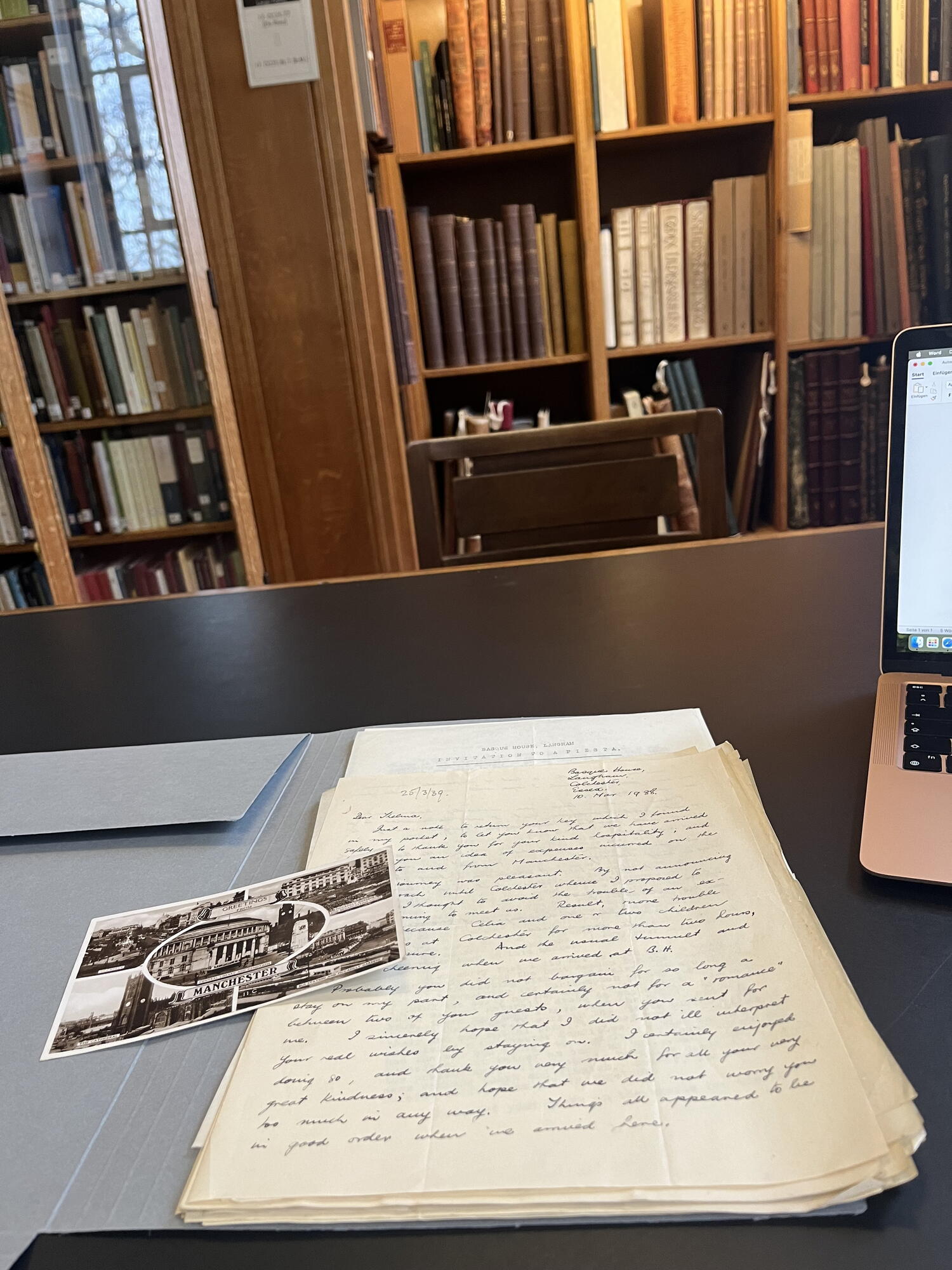
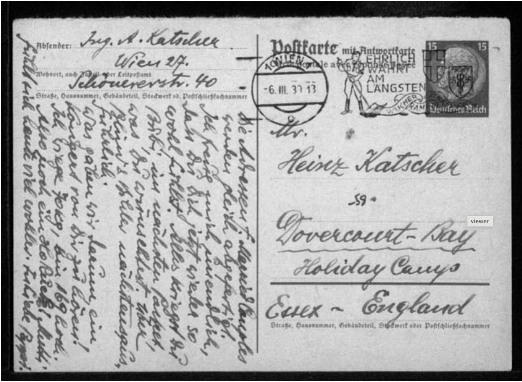
Ego-documents (including letters, diaries, memoirs but also school essays, notebooks and scraps of personal writing) can be very useful to make sense of the bigger picture of refugee experiences but also simultaneously highlight individual stories. I believe that they allow us to access experiences that rarely appear in official files or institutional accounts. In my area of interest, I argue that diaries and letters in particular capture what refugees wrote during the days, what they thought important enough to record or write about it that moment. This includes the mundane, the emotional, but also the extraordinary or even the contradictory. While official records often focus on policy, placement, or classification, ego‑documents show us what exile felt like and provide a more personal and emotional dimension. We can, for example, read about instances of culture shock, the struggle with a new language, the homesickness, processes of making new lives, or even lived reality of persecution, war, and displacement. Thereby, these everyday writings show us thoughts, considerations, and opinions that are absent from official records.

The Crossing Borders conference brings together scholars working on life writing and ego‑documents in transnational contexts and from various disciplinary backgrounds. My hope is that the event will highlight how these personal writings cross borders, not just physical or geographical borders but also of genre and emotion. I anticipate there to be fruitful discussions on how they challenge familiar and dominant narratives by foregrounding voices that are often more intimate, fragile, and perhaps even overlooked.
Your recent 2025 article in The Leo Baeck Institute Year Book is titled ‘I so wanted to be English’. How did young people who arrived on the Kindertransport use their diaries to navigate the difficult tension between holding onto their past identities and desperately wanting to belong in a new country?
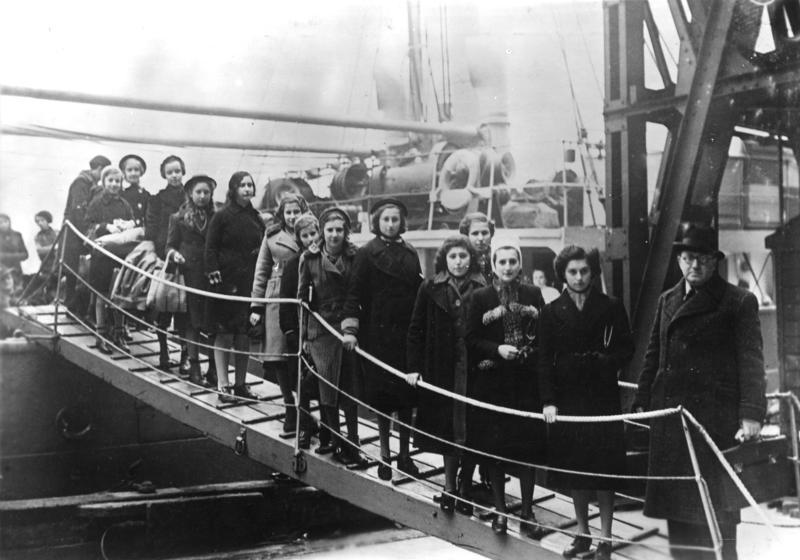
The diaries of the Kindertransport refugees’ early years in Britain are a particularly interesting resource. While their memoirs and oral histories often reflect on the complexities of their experiences, their early writings reveal how traces of these processes were already unfolding in real time. They might have not directly termed what they experienced as traumatic or anticipated the long-term consequences of their displacement and separation from their families at the time of writing. Yet, their diaries show how they navigated feelings of uncertainty, cultural dislocation, loss and hope.
A particular interesting aspect of these kinds of diaries is the way in which they document an ongoing negotiation between past, present and future. It becomes clear that there is not a clear distinction or break between a ‘before’ and ‘after’. Their diaries reveal a multilayered coexistence of these temporal spaces. Many children tried to hold on to familiar habits, languages, and rituals while at the same time trying to adapt to an unfamiliar environment and expectations of their country of refuge, whether that was to Britain or one of the other countries children were sent to.

These diaries also highlight how differently the Kindertransport was experienced depending on individual circumstances. The conditions in which the children were placed (e.g. foster families, extended family living in the UK, youth hostels, farms, etc.) shaped how they wrote about identity and belonging. Having said all this, it is important to note that there was never a single, unified ‘Kindertransport experience.’ The diaries can reveal broad patterns like the desire to belong or the struggle to reconcile past and present, but they also show the subtle variations in how each child understood their situation. These differences add nuance to our understanding of the Kindertransport as they show how identity was negotiated.
You just spoke at the online roundtable ‘Kindertransport in British Memory and Culture’. The event explored how this history continues to shape British identity . How does your research challenge or expand the traditional British narrative surrounding the reception of these young refugees?
The British narrative of the Kindertransport often centres on national generosity and the image of the ‘rescued child’. While there certainly is truth in that humanitarian effort, scholarship and research on the Kindertransport scheme show a more complicated reality. The public opinion in the late 1930s and early 1940s was shaped by casual antisemitism, fears about the ‘enemy alien’, and concerns about job competition, just to name a few examples. The British policies around immigration were generally strict and exclusionary though also not as strict as other countries. Yet, while children were being saved, many parents struggled to obtain visas; older children and teenagers (and adults of course) were sometimes interned; and local communities and individuals varied widely in their responses, from kindness and solidarity to suspicion or exclusion.
When we read or listen to the Kindertransport refugees in their own words, we can revise how the Kindertransport is mobilised in British culture today. Their testimonies show how refuge and displacement were experienced, revealing moments of both gratitude and struggle, welcome and loneliness, and safety and loss. This then complicates assumptions of welcome and generosity and allows for a more nuanced and also transnational understanding of the scheme but also of Britian as a country offering refuge. Finally, expanding our understanding of the experiences of unaccompanied child refugees can inform polices and approaches to child refugees now.
You have now moved to the University of Reading to work on the Nation of Refuge project, looking broadly at exile in 1930s and 40s Britain. As part of this, you are investigating the attitudes and viewpoints of British society at the time. How did the reception from the British public shape the everyday reality of these newly arrived families?

This is a major part of my new project as I want to look at both, the own voices of the refugees as well as how they were perceived in Britain. While I have not found a definitive answer to this yet, there are some general patters and observations that are already visible from the initial research and reading that I have done. The reception refugees encountered in 1930s - 40s Britain definitely shaped their daily lives. While many local communities, various committees and individuals offered support, care, and help, the refugees from National socialism also encountered issues that filtered into daily life. Ego-documents as well as institutional reports show that children’s adaptation and refugee integration depended heavily on their placement and individual circumstances. Refugee teenagers and adults were sometimes interned alongside Nazi sympathisers, working or educational lives were disrupted by evacuations and restrictions imposed on refugees, families were separated on arrival due to various visas and work requirements.
Understanding how the families dealt with these issues internally as well as how they navigated these restrictive environments sits at the centre of one of my research questions about family, kinship and care. I’m interested in finding out more on families that came over and couldn’t live with each other, about parent-child relationship of those who fled to different countries, and what support the families and individuals received from the British public.
Finally, examining these intensely personal stories of forced migration must be quite profound. Has reading these diaries changed the way you view modern conversations around refuge, memory, and migration today?
Working so closely with Kindertransport refugees’ diaries makes clear how complicated, emotional, and individual forced migration is. These documents resist simplified narratives and reveal the many different aspects of displacement. They show that behind every administrative category, there is a person trying to make sense of displacement and refuge.

Seeing these experiences unfold in real time and how they are written about in the diaries has made me more attentive to how we talk about refugees today. For example, public debates often turn people into symbols like the Kindertransport refugees being victims in need of rescue or people arriving on small boats being threats to national stability and security. The Kindertransport is frequently mobilised as a story of British generosity, but their diaries complicate this. They reveal that refuge can be lifesaving and painful at the same time, that gratitude often coexisted with loneliness, and that belonging was never immediate nor guaranteed. This has changed how I read and listen to contemporary refugee accounts. I am more aware of the pressures people feel to present their stories in certain ways or how their stories are constructed and mobilised by others.
My research, both on diaries as well as on transgenerational identities, also sharpened my sense of how memory, whether it’s individual, cultural or national, works. It reminds me that memory can become selective and can be instrumentalised. The very children whose stories are held up as evidence of a humanitarian past also recorded moments of exclusion, racism, and bureaucratic indifference, which also seem to be issues that come up in modern migration debates nowadays.
Dr Stahlberger’s research reminds us that behind every historical category — refugee, exile, rescued child — there is an individual trying to make sense of displacement in their own words. By listening closely to diaries, letters, and unpublished memoirs, she recovers the complexity, contradiction, and humanity that broader national narratives tend to smooth over. Her work at the LBI raises important questions about how memory is shaped, inherited, and sometimes instrumentalised — questions that extend well beyond the archives and into our present debates about migration and belonging. For more on her fellowship and related events, please check the related pages on our website.
Image credits:
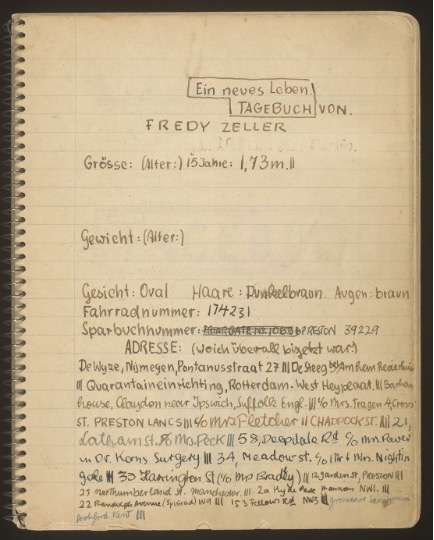
- Frederic Zeller, diary: Frederic Zeller, Frederic Zeller papers: Series 1, File 7: Diary December 1938-April 1939’, United States Holocaust Memorial Museum, 2017.576.1,scan 1. (United States Holocaust Memorial Museum Collection, Gift of Susan Kennedy Zeller In loving memory of her husband Frederic Zeller and his family)
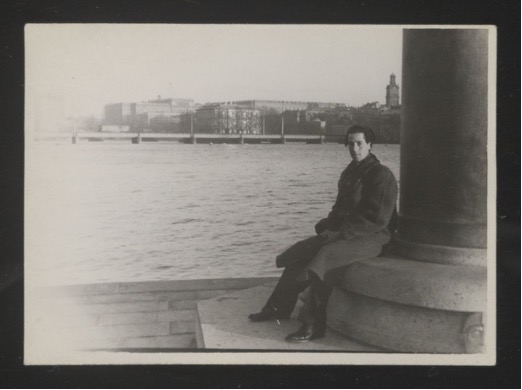
- Frederic Zeller in London: Frederic Zeller, Frederic Zeller papers: Series 3, File 6: Zeller, Frederic, Berlin and England Circa 1939 – Circa 1946:’, United States Holocaust Memorial Museum, 2017.576.1,scan 22. (United States Holocaust Memorial Museum Collection, Gift of Susan Kennedy Zeller In loving memory of her husband Frederic Zeller and his family)
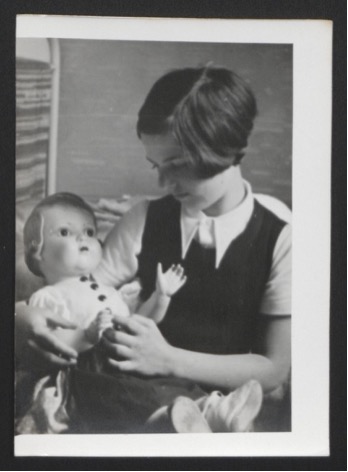
- Elisabeth Orsten with doll: Elisabeth Orsten, ‘Elisabeth Orsten Papers: Series 5: Photographs Circa 1929-Circa 1948; File 1: Elisabeth Orsten Circa 1929-Circa 1948’, United States Holocaust Memorial Museum, 2000.417.1,scan 2. (United States Holocaust Memorial Museum Collection, Gift of Elisabeth M. Orsten)
- Elisabeth Orsten’s history notebook: Elisabeth Orsten, ‘Elisabeth Orsten Papers: Series 7: School Records 1939-1940; File 1: History notebook 1939-1940’, United States Holocaust Memorial Museum, 2000.417.1, scan 2. (United States Holocaust Memorial Museum Collection, Gift of Elisabeth M. Orsten)
- Postcard, Folder B3, March 1939, Box: 1, Folder: B3. Ludwig Katscher Collection, AR 6336. Leo Baeck Institute. https://archives.cjh.org/repositories/5/archival_objects/1090179 Accessed March 18, 2026.
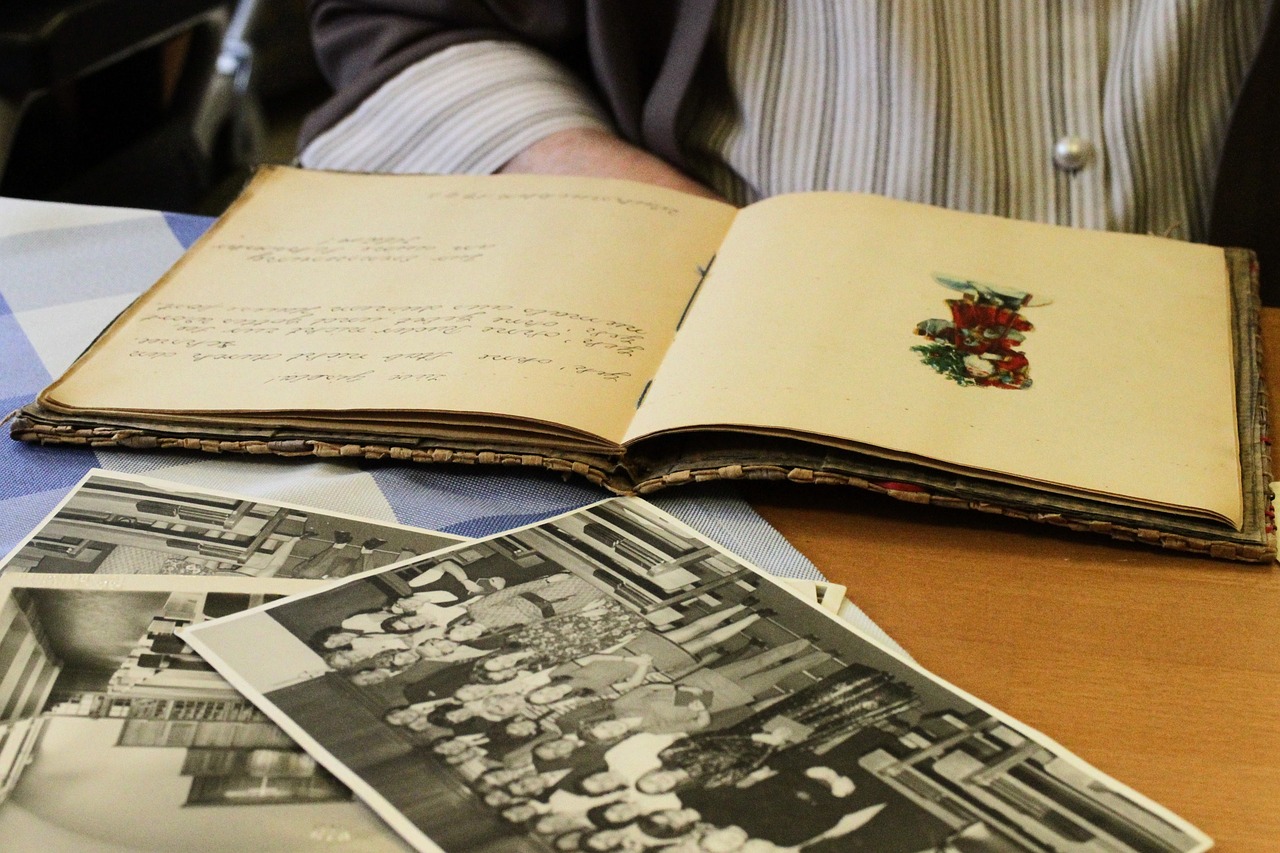
- Letter bundle, Image by Margarita Kochneva from Pixabay
- Poetry album, Image by Carola68 Die Welt ist bunt…… from Pixabay
This interview is part of LBI Scholars in Conversation, a series exploring the work of our fellows, doctoral researchers, visiting scholars and members of the board and how their projects shed new light on modern Jewish and German history.